
Anyone who’s ever heard the phrase “because I said so” knows that sibling rivalry is a real thing in many households. But as moms, we want more than just peace—we want our kids to genuinely enjoy each other’s company and build bonds that last a lifetime. It’s not always easy, but with a few thoughtful strategies, we can nurture kindness and cooperation between our kiddos.
Let’s be honest: siblings fighting can sometimes feel like a never-ending episode of drama. But instead of just playing referee, we can equip our kids with the tools to understand each other better, communicate openly, and uncover the joy in being a team. Here are practical, tried-and-true ways we’ve found to help siblings get along—and maybe even thrive together.
Create Shared Rituals
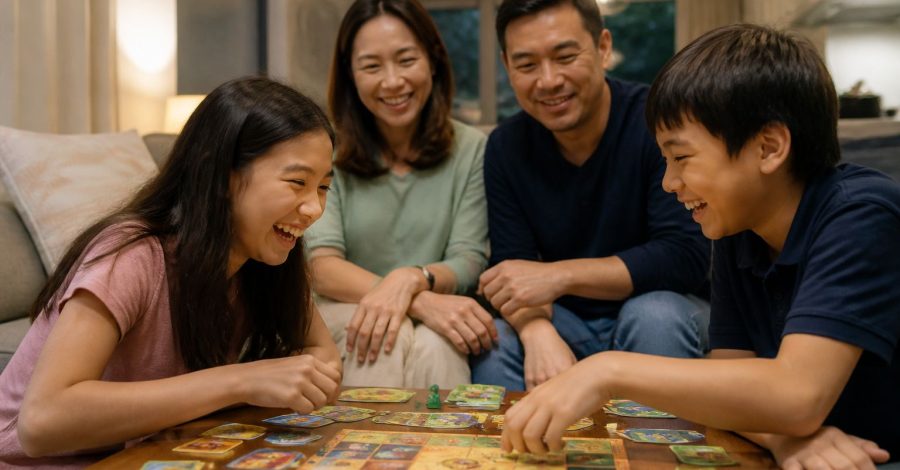
We find that establishing simple, consistent rituals like a weekly game night or bedtime story session helps our kids build positive shared experiences. These moments become something they look forward to together, naturally reducing friction. Plus, the predictability creates a cozy family vibe that’s hard to resist.
Encourage Teamwork Tasks
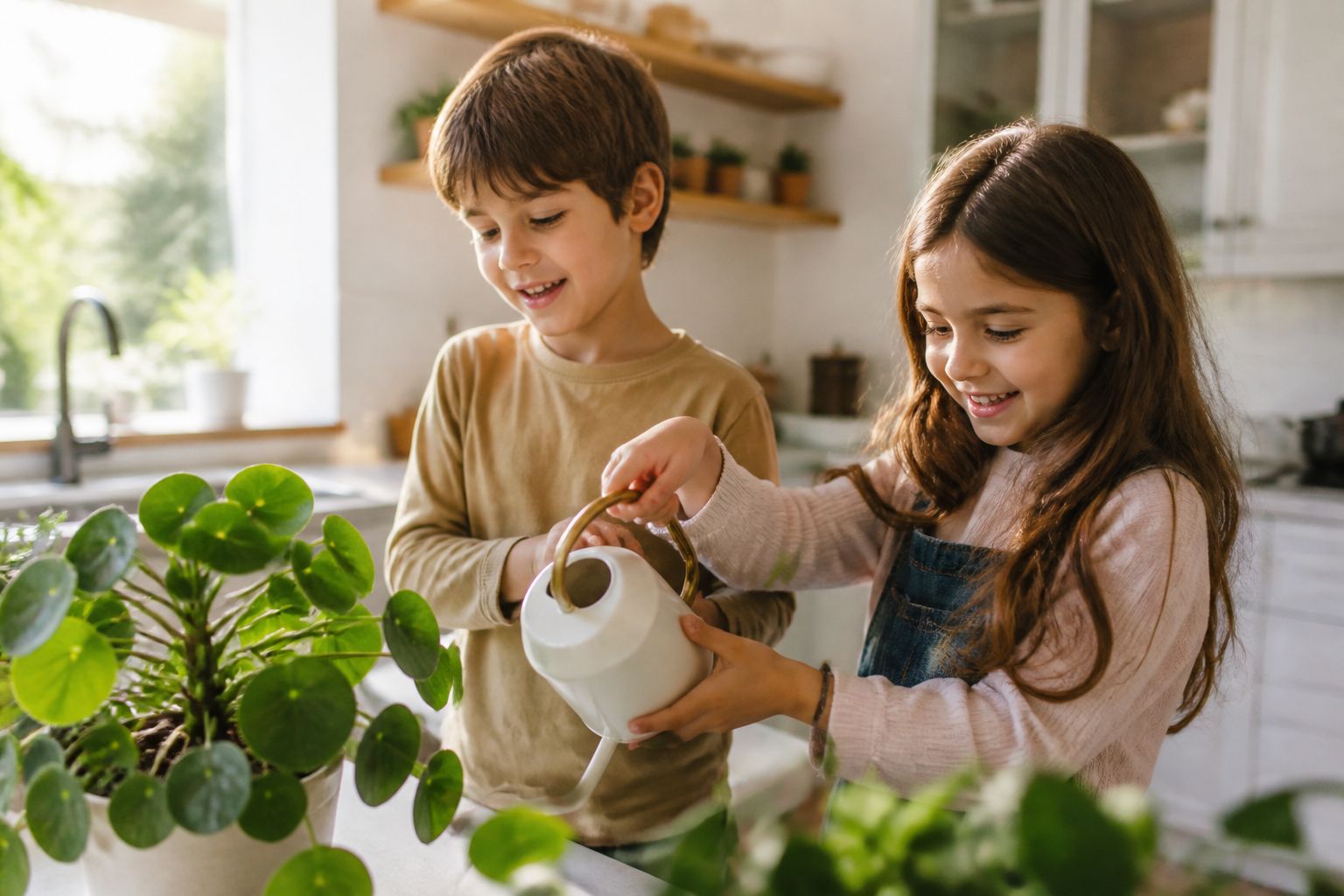
Assigning joint responsibilities, like watering plants or setting the table, turns everyday chores into opportunities to team up. When our kids see themselves as partners working towards a common goal, they start appreciating each other’s strengths. It’s amazing how collaboration can soften stubborn attitudes.
Teach Emotional Vocabulary
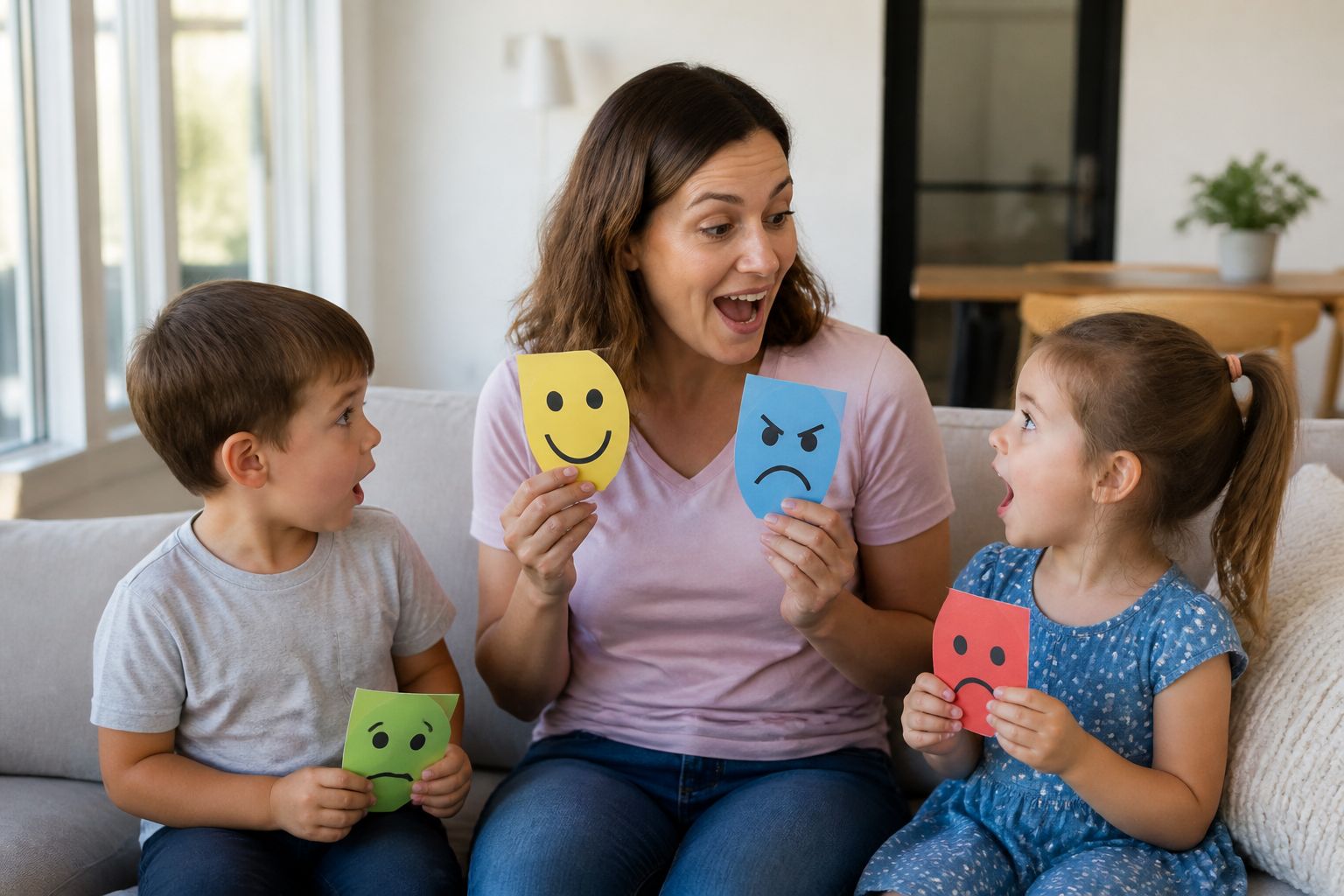
Sometimes, fights stem from feelings kids don’t have words for. We make a point to teach our kids how to express emotions like frustration, jealousy, or disappointment in ways that make sense to them. This helps them communicate needs instead of resorting to yelling or name-calling.
Set Clear Boundaries And Fair Rules
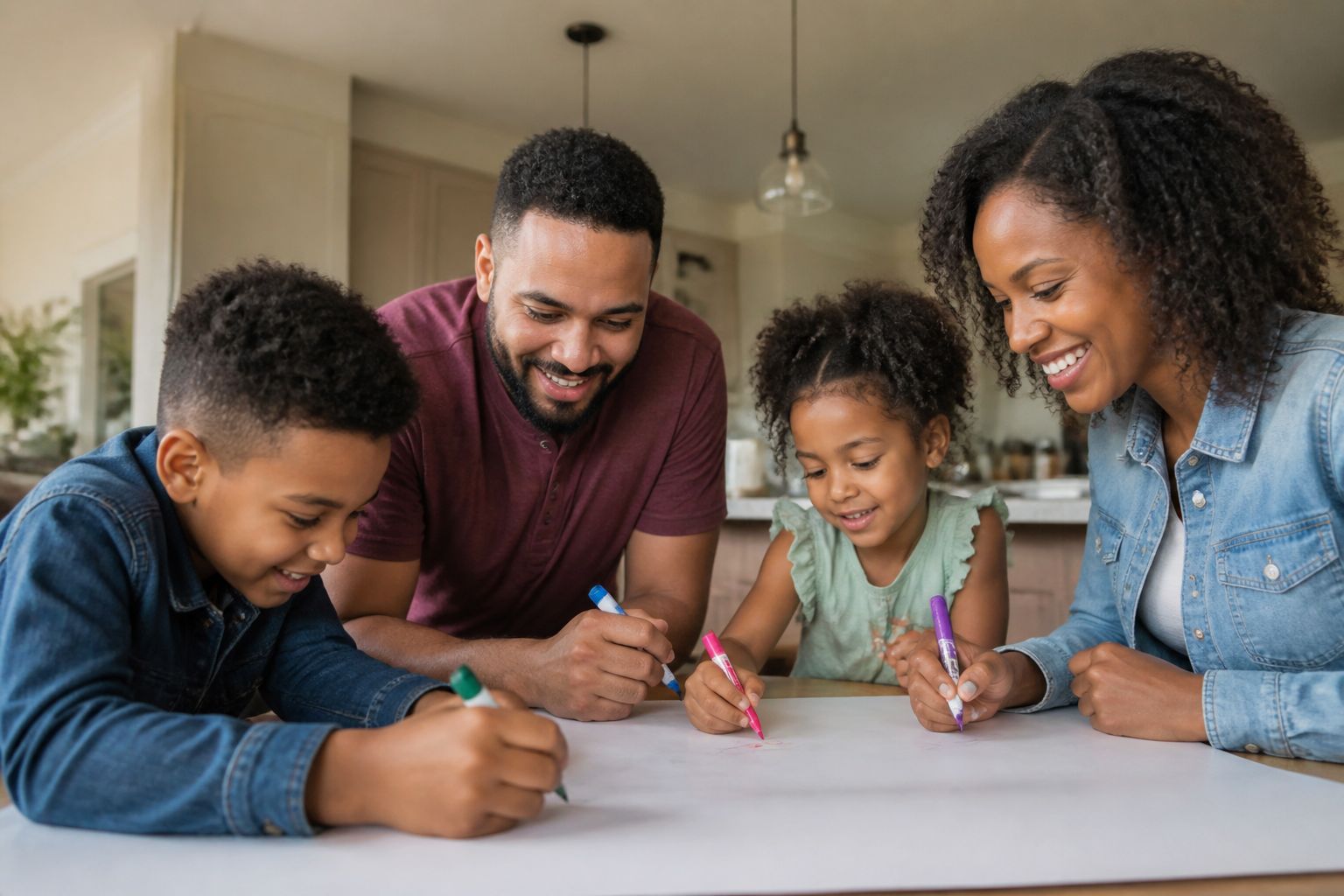
Clear, consistent rules about respect and personal space lay a foundation everyone can rely on. We involve our children in setting these guidelines so they feel ownership and fairness. When rules are predictable and enforced with kindness, arguments tend to decrease.
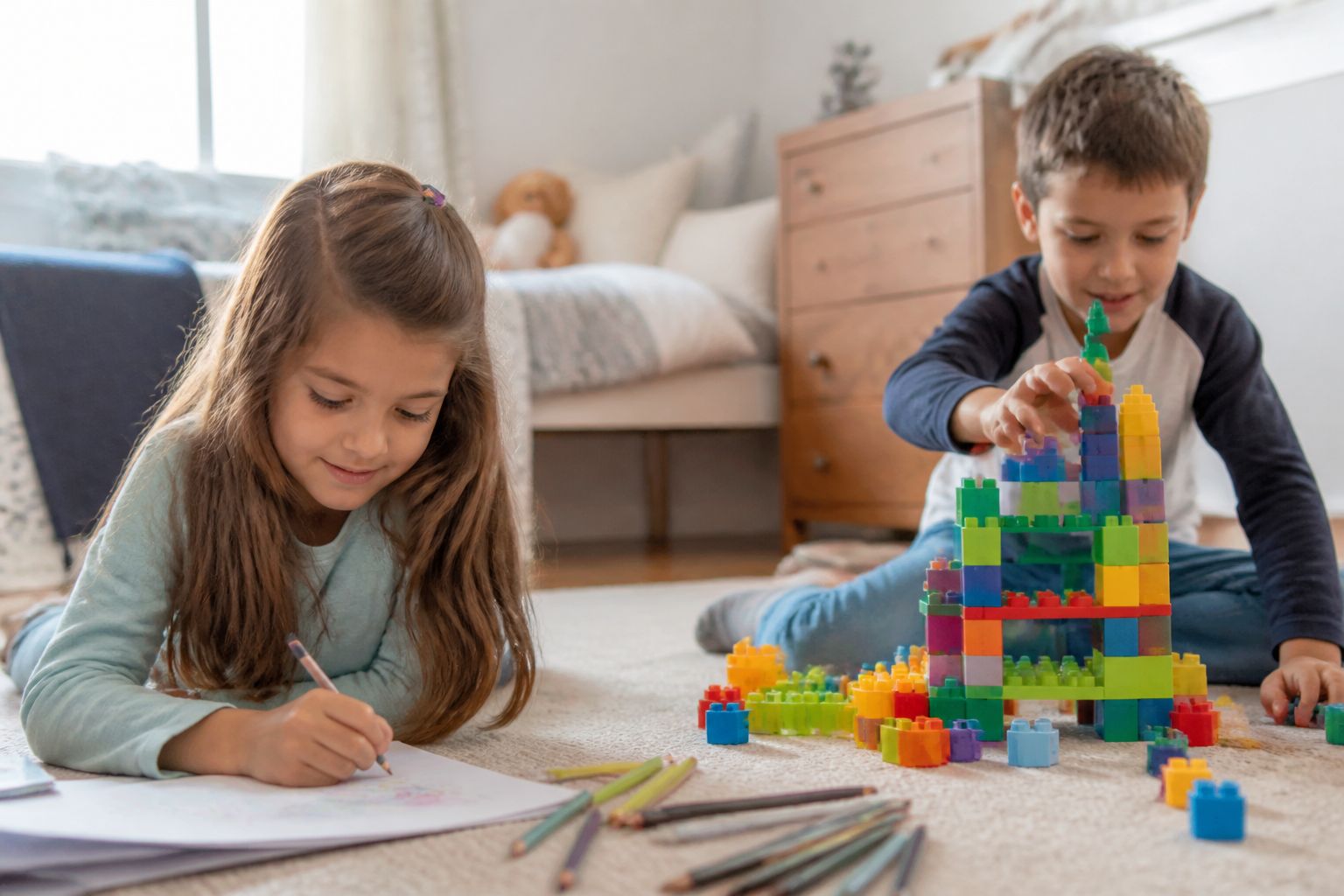
Celebrate Individuality
We remind our kids—and ourselves—that it’s okay to be different. Encouraging each child’s unique interests and personality reduces competition and jealousy. When siblings feel valued for who they are, they’re more likely to celebrate each other.
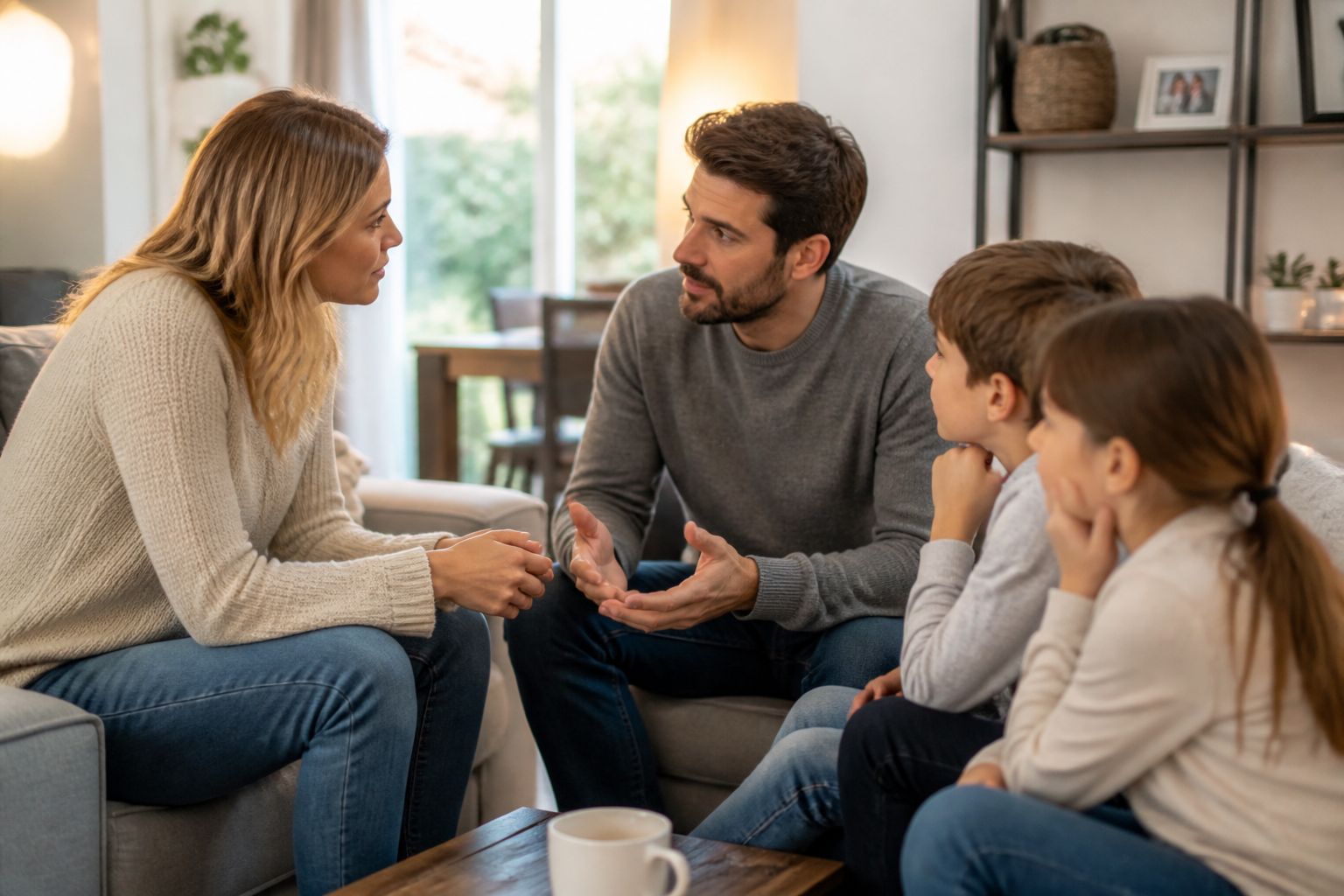
Model Respectful Behavior
We know that kids learn a lot by watching us, so we consciously model respectful communication and conflict resolution. When they see us apologize, listen, and compromise, they’re more likely to imitate those behaviors with each other. Parenting by example is powerful.
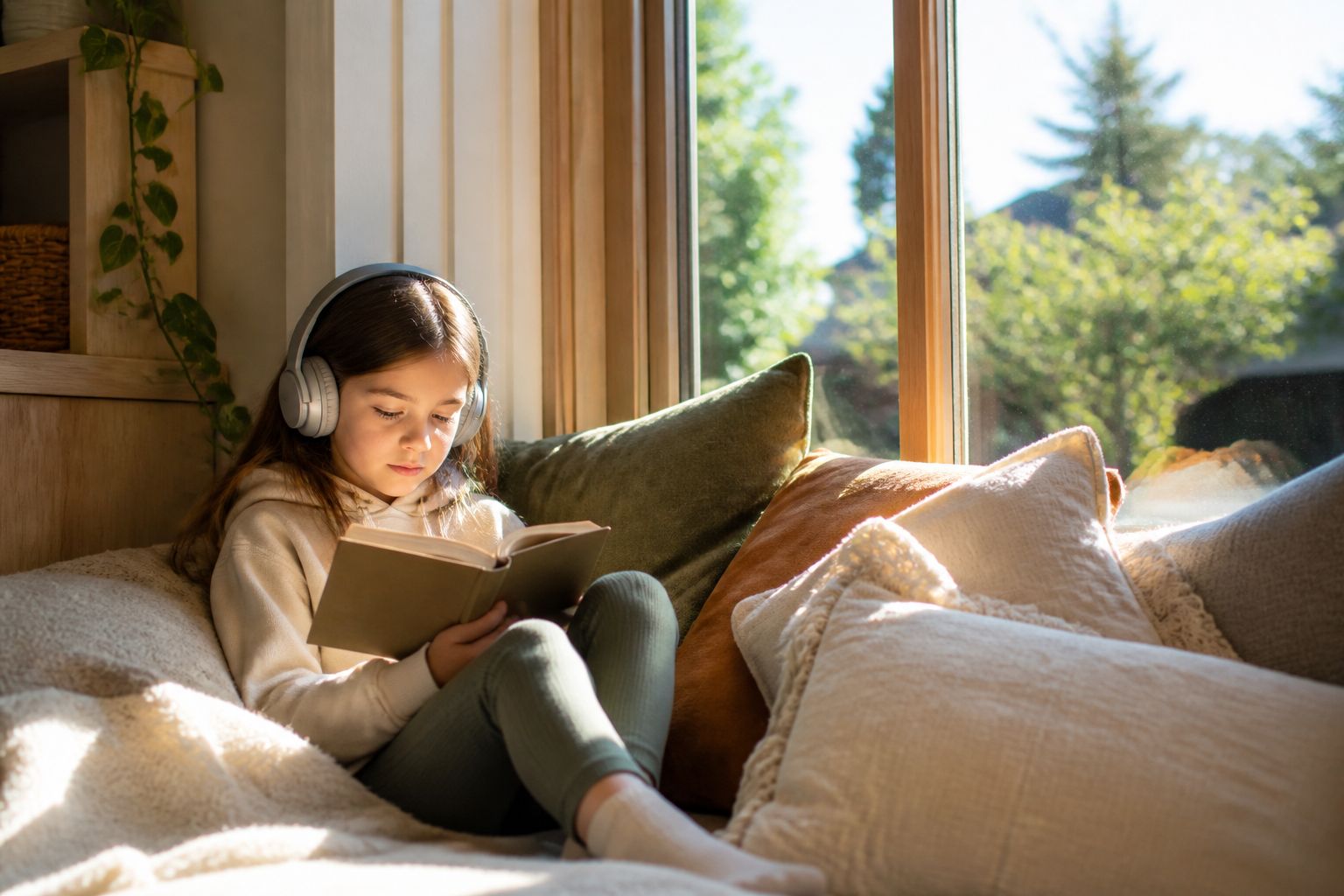
Create Quiet Time Zones
Sometimes, peace comes from giving each other space. Having designated quiet zones or times lets siblings decompress and reset their moods. We’ve found that respecting these breaks helps reduce tension and gives everyone a fresh start.
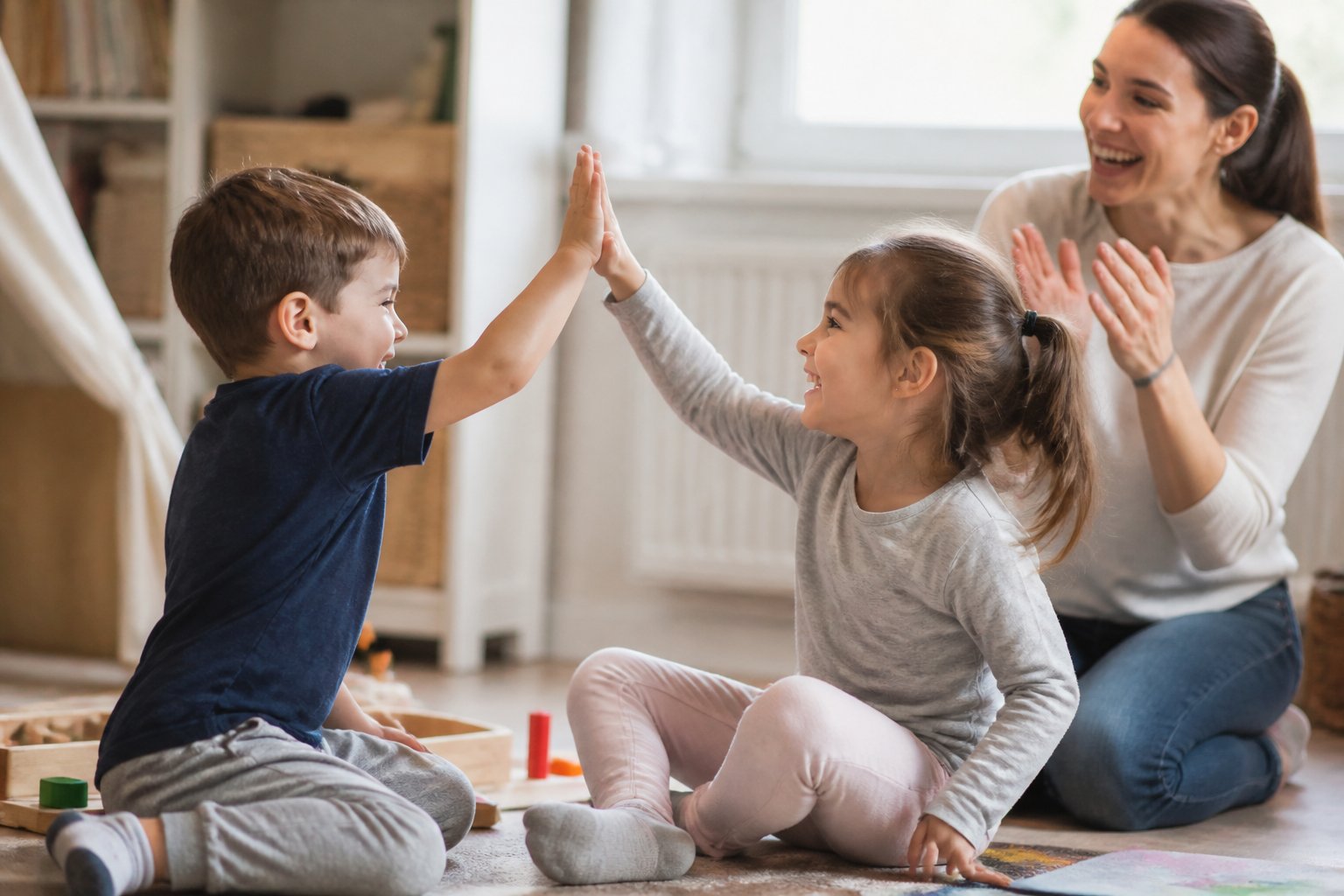
Praise Positive Interactions
We make a habit of catching our kids showing kindness or teamwork and praising it specifically. Highlighting these moments encourages more of the good stuff and reminds everyone that getting along feels great. Positive reinforcement is a game changer in sibling dynamics.
We’re all navigating the beautiful, imperfect journey of sibling relationships together. By fostering empathy, communication, and shared joy, we help our kids build bonds that stand the test of time. Remember, it’s about progress, not perfection—and every small step towards kindness counts.

Leave a Comment