

One afternoon, my toddler threw herself on the floor in the middle of the grocery store, sobbing because the cookie she wanted was in the cart but also not the right color. Cue the stares, the whispered judgments, and my internal panic about handling a meltdown in aisle five.
If you’ve ever found yourself stumbling for the right words when your child’s emotions explode, you’re not alone. Kids feel things big—and loud—and it’s our job to help them navigate that emotional storm without losing our own cool.
Talking about emotions with little ones might feel like tiptoeing through a minefield, but it’s one of the most important conversations you’ll have as a mom. Here’s what I’ve learned about embracing those messy moments and turning them into teachable ones.
Name the Feeling to Tame the Feeling
When your kid is upset, the first step is to help them put a name to what they’re experiencing. Instead of jumping straight to calming them down, try saying something like, “It looks like you’re feeling really angry about not getting that cookie.” This simple acknowledgment shows them that their feelings are valid and understood, which is incredibly comforting.

Use Your Own Feelings as a Guide
Sometimes, the best way to help our kids is to share how *we* feel. If your child is frustrated, you might say, “I get really frustrated too when things don’t go my way. What do you think we can do to feel better?” Sharing your own emotional experiences models vulnerability and shows them it’s normal to have big feelings.

Create a Calm-Down Corner
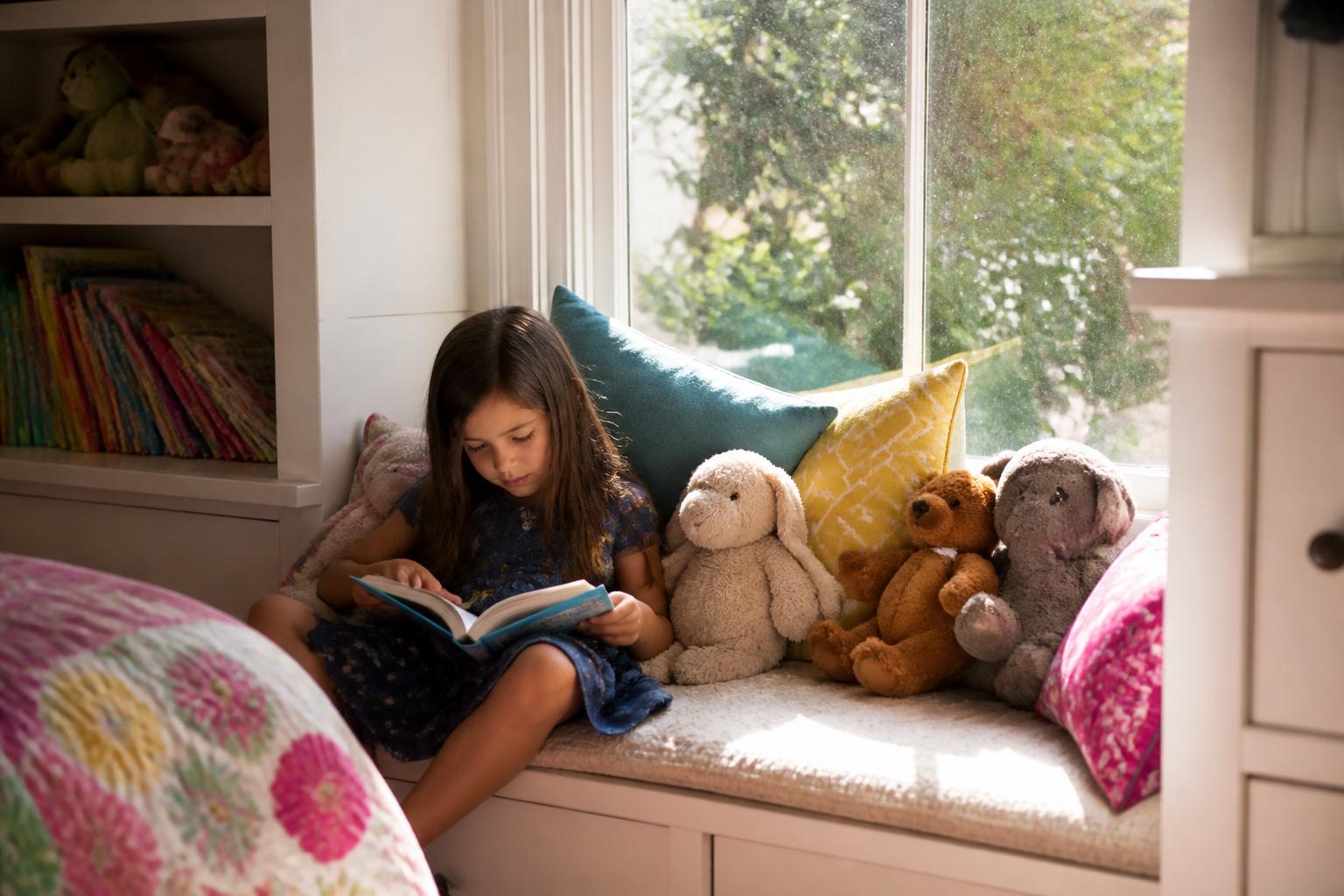
Big feelings need space to breathe, and a calm-down corner can be just the spot. Stock it with soft pillows, favorite books, or sensory toys. Teach your child that it’s okay to take a break and regroup there. Over time, this space becomes a tool for emotional regulation, giving both of you a moment to reset.
Practice Deep Breathing Together
Deep breathing is a simple but powerful way to help kids calm their nervous systems. Make it fun by pretending to blow out birthday candles or blowing up imaginary balloons. You can say, “Let’s take three big breaths together—smell the flowers, blow out the candles.” This practice helps them feel in control when emotions run high.
Celebrate Emotional Wins
Don’t forget to celebrate those moments when your child expresses their feelings well—even if it’s just a small step. Positive reinforcement encourages them to keep practicing emotional honesty. A quick, “I loved how you told me you were sad instead of yelling,” goes a long way in building their confidence.
Talking about big feelings with your kids isn’t about having perfect answers. It’s about showing up, listening, and learning alongside them. Remember, every emotional moment is a chance for connection and growth—for both of you. You’ve got this, mama.



Leave a Comment